Gaps between teeth, medically known as diastema, are more common than many people realise. While some gaps are small and harmless, others can affect bite alignment, oral health, and confidence. Thankfully, modern orthodontics offers effective, comfortable solutions. Braces for gap teeth are one of the most reliable ways to close spaces and create a balanced, healthy smile.
This guide explains what causes gap teeth, why braces work so well, the types of braces for teeth and cost, and how to choose the best option based on your needs. If you’re exploring dental braces in Thane, this blog will help you make an informed decision.
Understanding Gap Teeth
Gap teeth can develop for several reasons. In some people, it’s genetic; jaw size and tooth size don’t match, leaving spaces. Others may develop gaps due to missing teeth, thumb-sucking habits, tongue thrusting, or gum disease that weakens tooth support over time.
Beyond appearance, gaps can cause food trapping, speech issues, uneven pressure while chewing, and shifting of surrounding teeth. This is why dentists often recommend orthodontic correction rather than leaving gaps untreated.
Braces gradually move teeth into proper alignment, making them one of the most effective long-term solutions for closing gaps safely and predictably.
Benefits of Braces for Gap Teeth
Correcting gap teeth isn’t just about aesthetics; it’s about oral health, too.
So, are braces good for teeth? Yes, when planned and monitored by an experienced dentist, braces support both dental health and appearance.
Types of Braces for Gap Teeth
Understanding the types of braces for teeth helps you choose what suits your lifestyle, budget, and gap severity.
1. Traditional Metal Braces
Metal braces use brackets and wires to gradually close gaps and correct alignment.
Pros:
Cons:
They remain one of the best braces for teeth when effectiveness is the top priority.
2. Ceramic Braces
Ceramic braces work like metal braces but use tooth-coloured brackets for a subtler look.
Pros:
Cons:
3. Lingual Braces
These braces are fixed behind the teeth, making them invisible from the front.
Pros:
Cons:
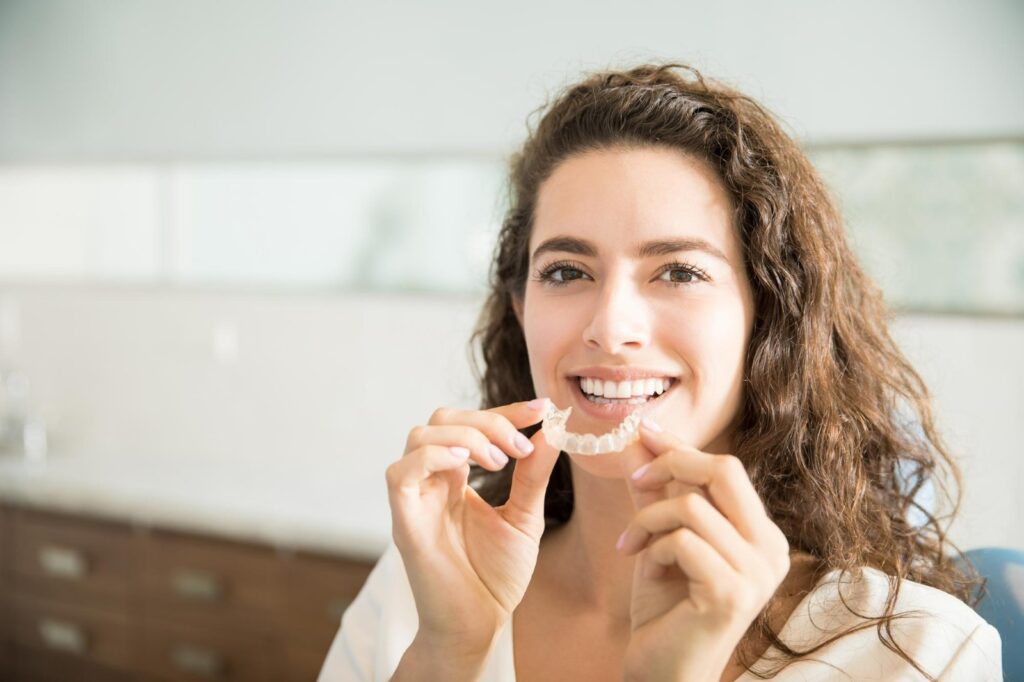
4. Clear Aligners (Invisalign)
Clear aligners use removable trays to gently move teeth.
Pros:
Cons:
Aligners are popular among adults seeking discreet dental treatment in Thane.
Comfort and Maintenance Tips During Braces Treatment
Some discomfort is normal in the first few days or after adjustments. This is where wax for teeth braces is helpful.
Orthodontic wax creates a smooth barrier between brackets and soft tissues, reducing irritation.
Other care tips include:
Good maintenance ensures faster, smoother results.
How to Choose the Best Braces for You
When deciding, consider:
Most importantly, consult an experienced dentist who can guide you honestly. Patients looking for dental braces in Thane often prefer clinics that focus on personalised planning rather than a standard solution.
Finding the Right Dentist in Thane for Braces
Choosing the best dentist in Thane for orthodontic care means looking beyond appliances. Experience, clear communication, ethical advice, and patient comfort play a huge role in successful outcomes.
With over 15 years of clinical experience, Dr. Ashwadhi is widely trusted for orthodontic and cosmetic dental care, known for clear communication, ethical treatment planning, and patient-friendly consultations. Every braces journey begins with a thorough evaluation, ensuring you understand the treatment process, expected results, and long-term care, making the experience smooth, reassuring, and stress-free.
Frequently Asked Questions About Braces
1. Which braces are best for teeth?
The best braces for teeth depend on your individual needs. Metal braces are highly effective for larger gaps, ceramic braces offer a more discreet look, and clear aligners are popular for mild to moderate gaps. During a consultation, your dentist will assess your teeth, bite, and lifestyle to recommend the option that gives you the safest and most long-lasting results.
2. Are braces good for teeth?
Yes, braces are good for teeth when planned and monitored by an experienced dentist. They improve alignment, reduce gaps, and help maintain better oral hygiene by preventing food from getting trapped. Properly aligned teeth are easier to clean and less likely to develop cavities or gum problems over time.
3. Is it necessary to remove teeth for braces?
Not always. Tooth removal is only recommended when there is severe crowding or limited jaw space. Many patients with gap teeth can be treated without extractions. Your dentist will explain all options clearly and suggest removal only if it is truly necessary for long-term dental health.
4. What is the cost of braces for 4 front teeth only in India?
The cost of braces for only the front teeth varies depending on the type of braces used and how much movement is required. In some cases, partial braces or aligners may be suitable, while in others, full treatment is advised for stable results. A personalised consultation helps determine the most effective and cost-appropriate plan.
5. How do I use wax for teeth braces?
Orthodontic wax is used to reduce irritation from brackets or wires, especially in the first few days. Simply dry the area, take a small amount of wax, and gently place it over the part causing discomfort. It creates a smooth surface and makes eating and speaking more comfortable while your mouth adjusts.
Conclusion
Braces are a proven, safe, and effective solution for closing gap teeth. With multiple options available, from metal braces to clear aligners, the “best braces” depend on your individual needs, goals, and lifestyle.
If you’re considering orthodontic treatment, seek professional guidance early. The right plan not only improves your smile but also protects your dental health for years to come.
Your smile deserves expert care, because well-aligned teeth are an investment in confidence and health.

Transform your smile with confidence. Dr. Ashwadhi Sunil, with 15+ years of expertise, delivers state of the art dental care, ensuring you receive the latest advancements and personalized treatment for your perfect smile.
© 2024 Ashwadhi’s All Rights Reserved.