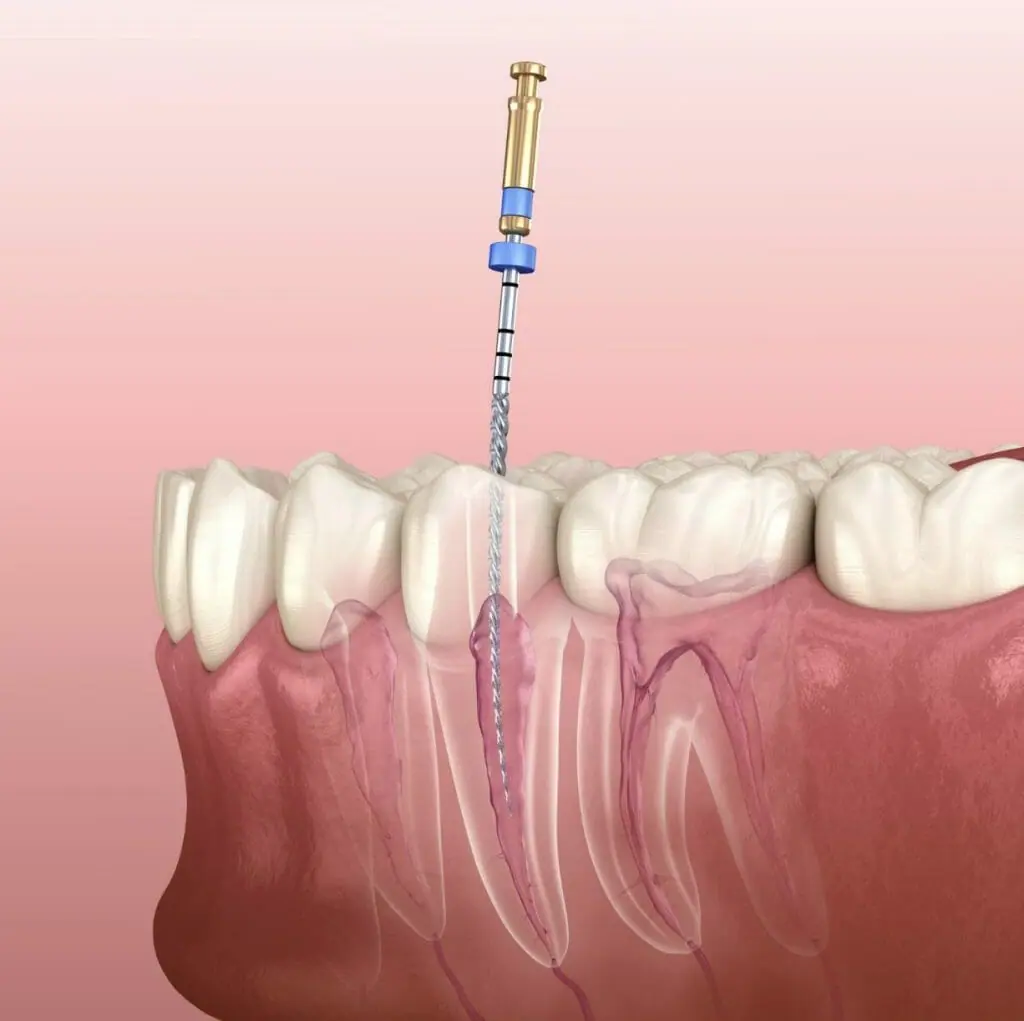
If you’ve ever had a sudden sharp toothache while eating or a lingering sensitivity that just doesn’t go away, you might have heard the term root canal, often with a bit of fear attached to it.
A root canal treatment (RCT) is a procedure used to remove infection from inside the tooth and save the natural tooth instead of removing it.
Inside every tooth is a soft tissue called pulp. When this gets infected due to deep decay, cracks, or injury, it can cause pain and swelling. Root canal treatment in India and globally works by cleaning out this infection, disinfecting the area, and sealing the tooth to prevent further damage.
In clinical experience, many patients walk in thinking the tooth will have to be removed. But in most cases, with timely care, the tooth can be preserved comfortably.
Root canal treatment becomes necessary when the inner part of the tooth gets infected or inflamed.
Common causes include:
Many patients ignore early signs, assuming the pain will pass. In reality, delaying treatment often makes the condition more complicated.
If you notice these signs, it’s worth getting your tooth checked early:
Symptom | What it may indicate |
Persistent tooth pain | Deep infection or nerve involvement |
Sensitivity to hot/cold | Nerve irritation |
Swollen or tender gums | Infection near the root |
Darkening of the tooth | Internal damage |
Pain while chewing | Pressure on infected tooth |
Many patients are curious about how a root canal actually works and what happens during the treatment.
In simple terms, the procedure:
The aim is not just to relieve pain, but to restore the tooth so it can function normally again.
Understanding how the root canal is performed helps reduce anxiety around the procedure. Here are the typical root canal procedure steps:
One of the most common concerns is: is the root canal painful?
The answer is no. Root canal treatment is designed to relieve pain and not cause it.
With modern anesthesia and improved techniques, the procedure usually feels similar to getting a regular filling. In fact, patients who come in with severe tooth pain often feel significant relief after treatment.
After a root canal, the tooth becomes weaker and needs protection. A crown helps restore its strength so you can chew normally without risk of damage.
In general, how long root canal treatment takes depends on:
Traditionally, patients had to wait 2–3 days for a customized crown, which meant multiple visits. Today, with advanced systems, Single visit crowns are possible.
At Dr. Ashwadhi’s clinic, customized crowns are prepared in about 2 hours, helping patients return to normal function much faster and with fewer visits.
Delaying root canal treatment may seem harmless initially, but it can lead to:
Early treatment is always simpler, more comfortable, and more predictable.
During treatment:
After treatment:
With proper care, a treated tooth can last for many years.
When considering root canal treatment in Thane, Mumbai or looking for an experienced dentist makes a significant difference.
In her 15+ years of experience, Dr. Ashwadhi has treated a wide range of cases, from routine infections to more complex conditions. Her approach focuses on preserving natural teeth while ensuring the process feels calm and manageable.
Many patients who initially feel anxious about the procedure often find the experience much easier than expected. Many of them find us through Google while looking for the best dentist for RCT in Thane or Mumbai, and choose to visit based on the trust and positive experiences shared by other patients.
No, root canal treatment is not very costly. It depends on the condition of the tooth, and getting it done early helps save your natural tooth and avoid more serious problems later.
It works by cleaning out the infected part inside the tooth, disinfecting it, and sealing it to stop the infection from coming back.
No. Root canal treatment is done under anesthesia, so it is usually comfortable and helps relieve existing pain.
It depends on the condition of the tooth, but with modern techniques, it can often be completed in fewer visits and in less time.
No, once the infection reaches inside the tooth, a root canal is usually needed to save it. Delaying treatment can worsen the infection and lead to more complications, so it’s best not to ignore the symptoms.
Root canal treatment is not something to fear, it’s a way to relieve pain and save your natural tooth.
When treated at the right time and with the right care, the experience is often much simpler and more comfortable than people expect. With over 15 years of experience, Dr. Ashwadhi focuses on making the process smooth and reassuring, especially for patients who come in feeling anxious.
Taking that first step early can make all the difference, not just in saving your tooth, but in feeling at ease throughout the treatment.

Transform your smile with confidence. Dr. Ashwadhi Sunil, with 15+ years of expertise, delivers state of the art dental care, ensuring you receive the latest advancements and personalized treatment for your perfect smile.
© 2024 Ashwadhi’s All Rights Reserved.